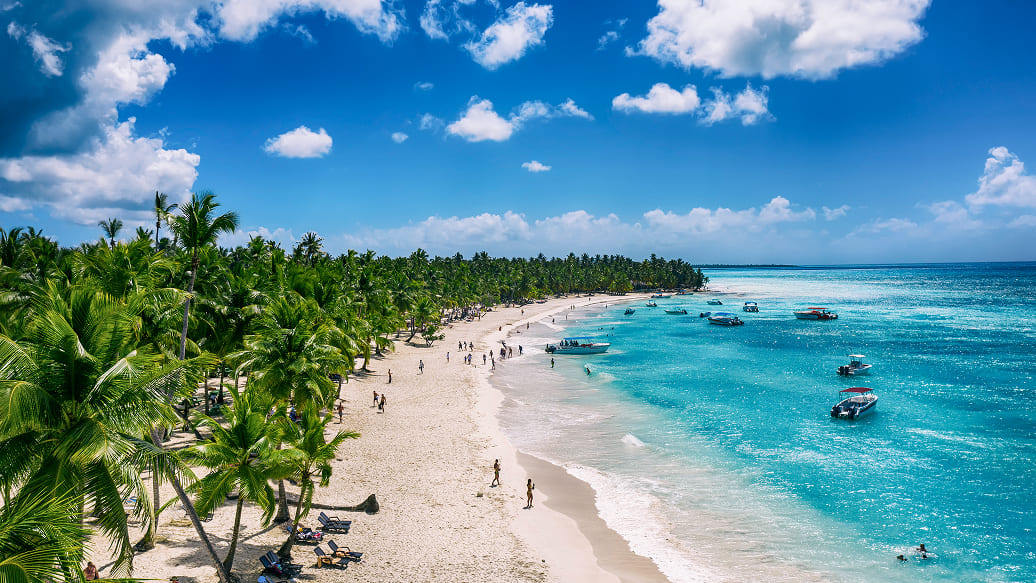
Key insights from attorney Yohan Confidente — OCC Lawyers, Punta Cana
1. Legal Security for Foreign Investors
The Dominican Republic offers full constitutional protection for property ownership, regardless of nationality. Foreigners enjoy the same rights as Dominican citizens — no extra taxes, restrictions, or discriminatory procedures. Residency is not required to invest.
That said, legal protection only applies when the process is followed correctly. Working with an independent real estate attorney is essential.
2. Top Investment Destinations
Each region in the DR offers a distinct investment profile:
- Punta Cana — The #1 destination, with 65% of all DR tourists. Best for short-term rentals. Full infrastructure, international airport, and medical services.
- Bayahibe — Smaller and quieter than Punta Cana. Beach-proximity from any property. Popular with European buyers.
- Puerto Plata — Historic first tourist hub. Nearby Cabarete offers water sports and an active expat community.
- Las Terrenas — Preferred by Canadians and Europeans. Authentic, relaxed atmosphere close to nature.
- Miches — The emerging destination. Only 1.5 hrs from Punta Cana airport. Comparable to Punta Cana 20–30 years ago. Best for mid- to long-term investors.
3. What Makes an Investment Risky?
Two main risk categories to be aware of:
- Pre-construction purchases — Delivery is 2–3 years away. Verifying title, permits, developer standing, and construction milestones is critical before any payment.
- High-litigation zones — Certain areas have historically higher rates of property disputes. A local attorney will know these zones and what to verify.
Risk does not mean avoid. It means proceed carefully with full legal due diligence. Completed properties carry lower risk but typically require full payment upfront.
4. The Role of an Independent Attorney
Real estate agents are not legally qualified to assess investment risk. Only a licensed attorney can verify the following:
- Clean title at the land registry (Catastro)
- No outstanding tax obligations on the property
- Developer properly registered and permits in order
- Contract is fair and enforceable under Dominican law
- Payment schedule tied to construction milestones
Avoid using the developer’s attorney — they represent the developer’s interests, not yours. Always engage your own counsel before signing any offer, as reservation fees in the DR are generally non-refundable.
5. Buying Personally vs. Through a Company
Both options are available to foreign buyers. The right choice depends on your financial situation and goals:
- Personal name — Simpler and lower cost. Recommended for properties under approximately $300,000–$350,000 USD.
- Company (SRL/LLC) — Offers tax benefits under CONFOTUR law for larger investments. Requires ongoing accounting and filings. May simplify succession planning.
- Foreign company — A Canadian or other foreign company can purchase in the DR, but must first be registered locally and will then be subject to all Dominican tax and administrative obligations.
6. Residency Pathways
Property ownership alone does not automatically qualify you for residency, but it strengthens your application. Main pathways include:
- Retiree — Minimum $1,500 USD/month in verifiable retirement income. Permanent residency in approximately 2 years.
- Business owner / investor — Minimum $2,000 USD/month in dividends, rental, or investment income. Permanent residency in approximately 2 years.
- Fast-Track (investor category) — $200,000+ investment in an active business with real commercial operations in the DR. Note: simply purchasing a $200,000 property does not meet this threshold.
Ready to invest safely in the Dominican Republic?
OCC Lawyers provides full legal representation from due diligence and contract review to closing and residency — covering Punta Cana, Bayahibe, Puerto Plata, Las Terrenas, and beyond.